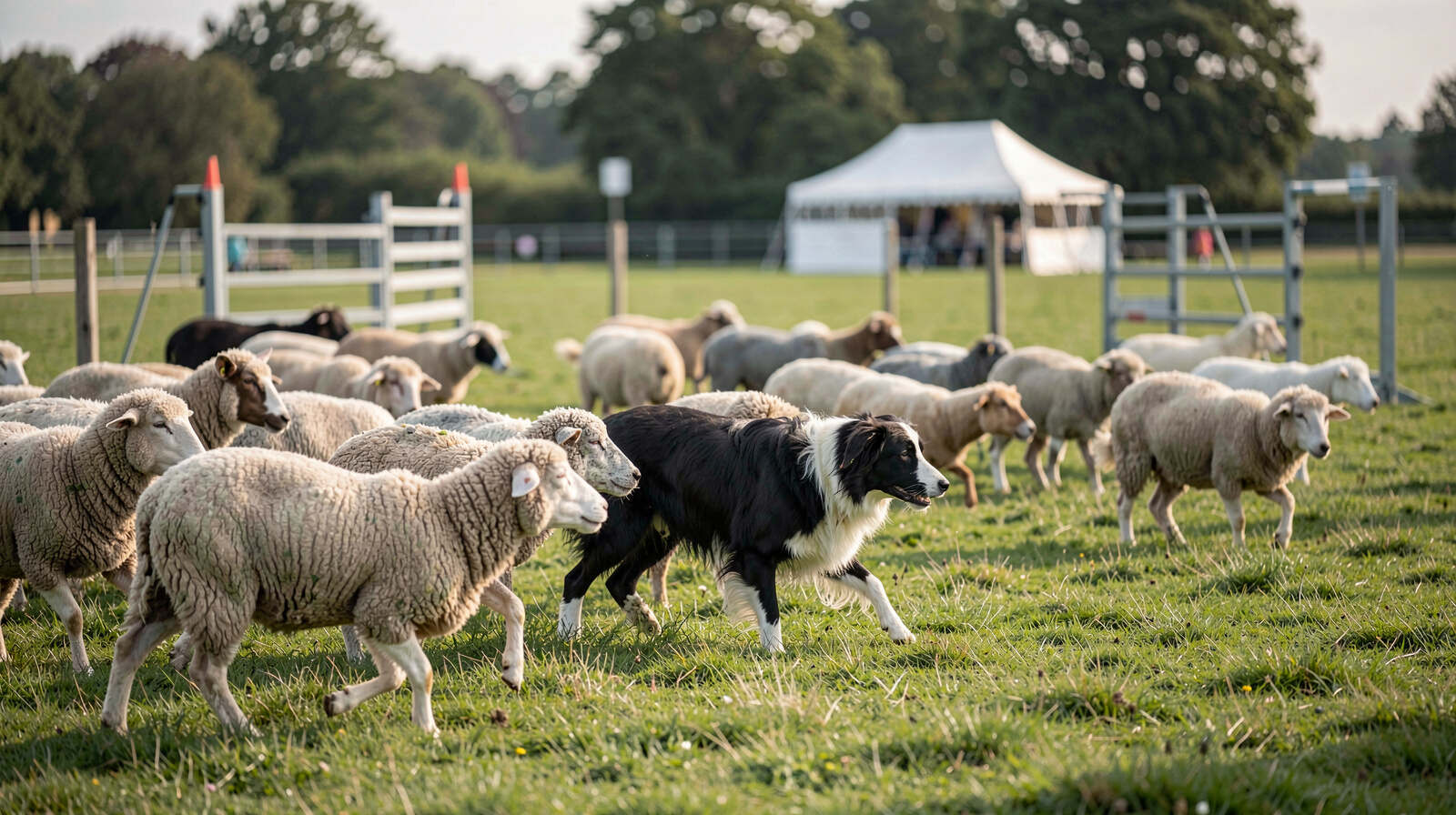
Start with the dog in front of you, not with the sport you like watching. Write down three things: what the dog already does willingly, how fast it recovers from effort, and how much time you can give each week. The activity that fits those three answers is the one you will still be doing in six months.
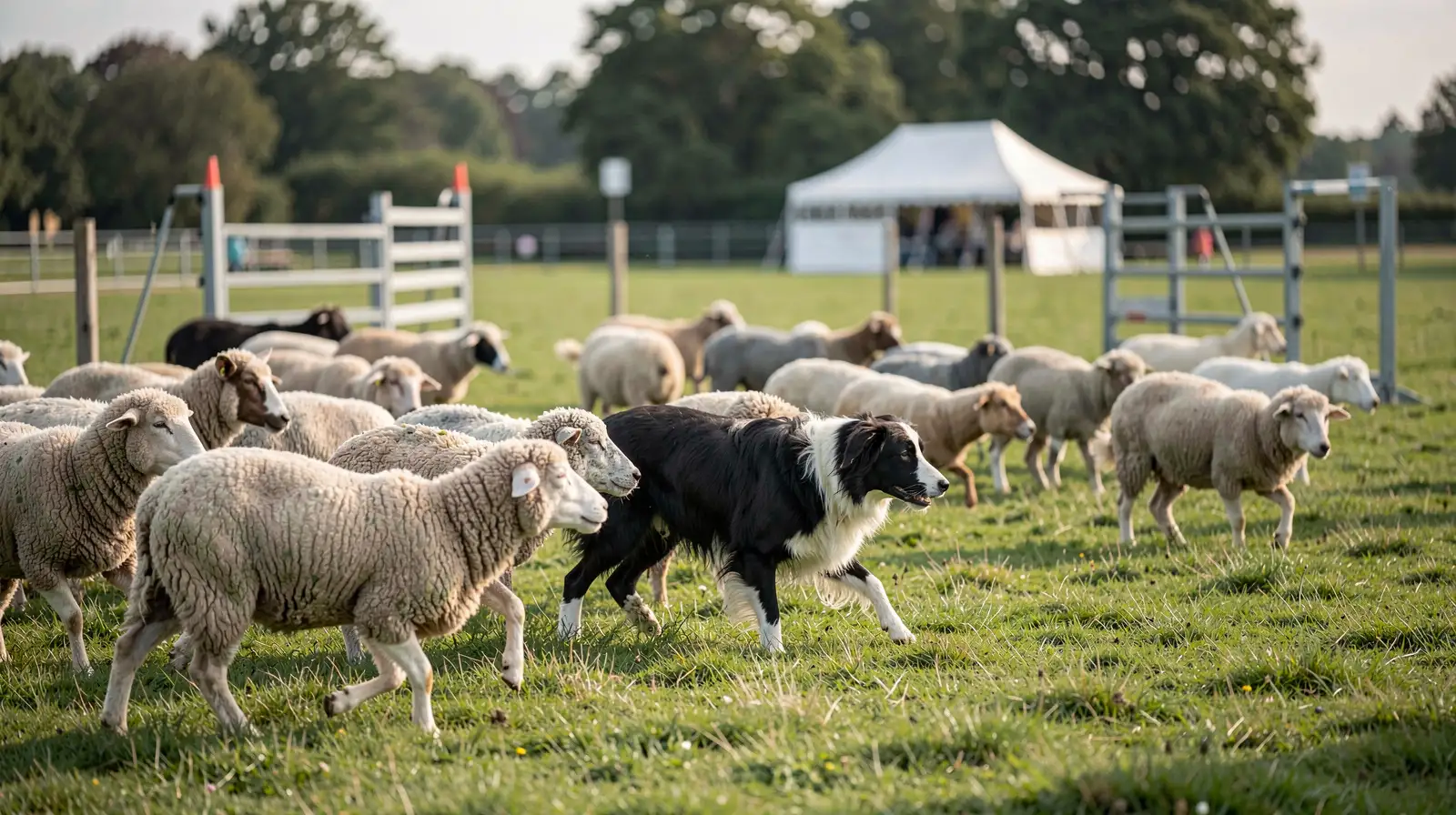
A French-language editorial guide, Ami du Chien, frames the same choice as choosing a canine activity from the real dog, the human’s capacity and the setting where you actually practise. That order matters. Most beginners pick the discipline first and then try to bend the dog into it.
What does education and socialisation work actually cover?
Education and socialisation is the base layer, and it is not a beginner phase you leave behind. Puppy classes introduce a young dog to other dogs, to strangers, to floors, noises and being handled. The aim is not obedience. The aim is a dog that can stay calm enough to learn later.
Voluntary attention is the next piece. The dog offers eye contact because looking at you has paid before, not because a command forced it. Handlers build this in short sessions, three to five repetitions, then stop. A dog that checks in on its own is a dog you can later send away from you and call back.
Recall and a loose lead belong to the same layer. Recall is trained in low distraction first, then near other dogs, then at distance. A loose lead is a handling skill as much as a dog skill: the human learns to stop walking when the line goes tight, and the dog learns that tension ends the forward movement. None of this needs a competition goal. It needs repetition in ordinary places.
How do you compare education, scent, movement and creativity work?
Compare the four families on four variables: pace, age, motivation and progression.
Education work is slow paced and suits any age, including adult dogs with no history of training. Progress is measured in reliability, not in new behaviours. Motivation comes from food, praise or access to the environment.
Scent work is low movement and high concentration. Nosework asks a dog to search for a target odour and indicate it. Puppies can start on simple searches, and older dogs with joint issues often do well because the dog sets the pace. Motivation is largely intrinsic: dogs hunt with their noses without being taught to enjoy it.
Movement work covers agility and hoopers. Agility asks for jumps, contacts, weave poles and speed on a course. Hoopers keeps the dog on the ground: hoops, barrels and tunnels, with the handler working at a distance and almost no jumping. Both reward a dog that likes to run, but hoopers removes the impact that rules out agility for some dogs.
Creativity work is dog dance, also called musical freestyle. It builds positions, spins, leg weaves and heelwork into a routine. It suits dogs that stay close and offer behaviours, and it suits handlers who like detail. Pace is slow, precision is high.
Age matters less than most people think, but recovery matters a lot. A two-year-old border collie and an eight-year-old labrador can both start nosework. Only one of them should start weave poles this month.
What does each activity ask of a beginner?
Agility asks for equipment access, a foundation of flatwork, and a dog cleared for jumping. Beginners spend weeks on handling without obstacles: front crosses, rear crosses, sends. The first competition run usually comes after a year or more.
Hoopers asks for a flat area, a set of hoops and a dog that will move away from the handler. There is no jump height to manage, so the entry cost is lower and the dog’s body takes less load. Distance handling is the core skill, and it is harder than it looks.
Nosework asks for a few boxes, a target odour and a place to hide it. Beginners learn to read the dog’s search pattern and to stop helping. The dog does most of the work, which is why it suits shy dogs and dogs that find other sports stressful.
Dog dance asks for a mat, a music track and patience with small positions. Beginners start with one or two moves and a short routine. The dog learns to work on both sides of the handler, which transfers well to other activities.
Which activity fits a dog that is easily distracted?
Start with education and socialisation, then add scent work. A distracted dog needs a reinforcement history for attention before it can hold a position in a busy hall. Nosework gives that dog a job it can do alone, at its own speed, without other dogs crowding it.
Movement work can come later. A dog that cannot yet check in will struggle on an agility course where the handler is behind and the obstacles are ahead. Hoopers is more forgiving because the dog moves on a line rather than over equipment, but distance handling still requires a working relationship.
Creativity work is often the third step. Dog dance needs the dog to stay close and to hold still for a moment. That is a different skill from running a course, and some dogs take to it faster than to agility.
How much time per week does each option need?
Three short sessions of ten minutes beat one long session. Education work fits into daily life: doorways, walks, waiting at the vet. Scent work needs a search area and a few minutes of setup. Movement work needs a training field or a club slot, usually once a week plus homework. Dog dance needs a clear floor and a music player.
A realistic beginner week looks like this: two short attention sessions, one recall session in a park, one nosework search, one club class. That is under three hours including travel. If your week cannot hold that, choose the option with the least setup: education work and nosework.
What should you watch in the first month?
Watch the dog’s recovery, not its performance. A dog that is still tired two days after a class is doing too much. Watch the tail, the ears and the willingness to enter the training area. A dog that hesitates at the gate is telling you something about the activity or the pace.
Watch yourself as well. If you dread the class, the dog will read that. The activity that fits is the one both of you return to without negotiation. Change the plan when the dog changes: a young dog may start in hoopers and move to agility later, and an older dog may leave agility for nosework without losing anything.
The order stays the same. Build attention and recall, then add the discipline that matches the dog’s pace, age and motivation. The dog in front of you is the only reliable starting point.
Once the dog’s pace, age and motivation point to one activity, the same reading applies to the equipment the dog lives with between sessions. A dog that works scent or movement hard often chews hard too, and the wrong toy fails at the edge. Untreated wood, natural branches and palm are covered in this guide to safe chew and enrichment materials, which sets wear checks, cleaning, sizing and replacement rules. Match the chew to the dog in front of you, then check it as often as you check the harness.