Beyond Training
Everyone at the trial field has trained. The handlers standing at the post have put in hours, months, years with their dogs. Training is table stakes. What separates the teams that consistently win from those that consistently struggle is something harder to name.
I have been watching and interviewing handlers for seventeen years, trying to understand this difference. What I have concluded is that championship partnerships share certain qualities that transcend technique. These qualities cannot be purchased with a well-bred dog or taught in a weekend clinic.
Trust: The Foundation
The word handlers use most often when describing successful partnerships is trust. But trust means different things depending on who says it.
“I trust Moss to make the right call when he is a quarter mile out and I cannot see what the sheep are doing,” explained handler Denise Wall after her run at the 2023 Soldier Hollow finals. “If he decides to push wide or hold up, I trust there is a reason. I do not second-guess him from the post.”
This type of trust takes years to develop. It requires accumulated evidence that the dog’s judgment in pressure situations is sound. Handlers build this evidence run by run, training session by training session, until doubt gives way to confidence.
I watched Wall work with a young dog two years later, and the relationship was entirely different. She commanded constantly, corrected frequently, and explained afterward: “Rook is still learning what to do. I cannot trust what he does not know yet.”
The difference was not in Wall’s handling ability. It was in where each dog stood on the trust continuum.
Trust Goes Both Ways
Dogs also trust or do not trust their handlers. A dog that hesitates at a whistle, checking back repeatedly, often reflects a handling history with inconsistent or confusing commands.
“I ruined a good dog once by over-handling,” admitted a handler who asked not to be named. “Every time he moved, I was telling him something different. He stopped trusting that my commands made sense. By the time I figured out what I was doing wrong, the damage was done.”
Building a dog’s trust in handler judgment means being consistent, being right more often than wrong, and acknowledging when you make mistakes by not compounding them with more mistakes.
Communication: The Invisible Language
Watch a championship run and you will see something that looks almost choreographed. The dog moves before the whistle sounds. The handler adjusts before the sheep reveal their intentions. The timing seems impossible.
This is communication operating below conscious awareness. The handler reads the dog’s body language, anticipates what the dog will do, and whistles to confirm rather than command. The dog reads the handler’s posture, the subtle shifts in position, and responds to information the handler might not even know they are providing.
“My best runs, I do not remember giving commands,” said handler Derek Fisher at a post-trial dinner I attended. “I just remember thinking what I wanted and Nan doing it. The whistles happened, but I was not really aware of them.”
Fisher was describing flow state, that psychological condition where action and awareness merge. Championship teams reach this state together. They are not two individuals coordinating. They become something closer to a single working unit.
Developing Communication
New handlers often ask how to develop this level of communication. The honest answer is time and attention.
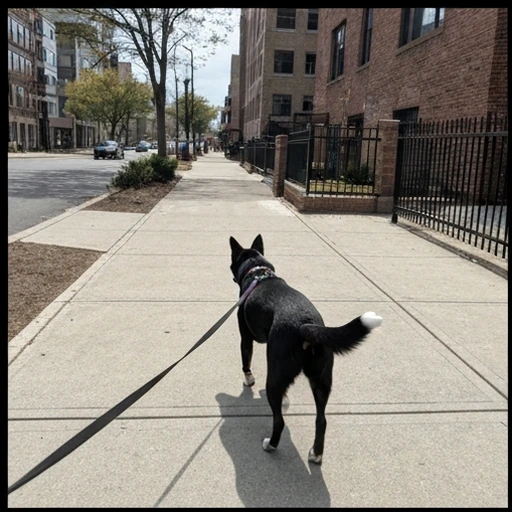
Time means repetitions. Not drilling exercises mindlessly, but working together across varied situations until patterns emerge. A dog learns what certain handler movements precede. A handler learns what certain dog postures mean. The trial calendar provides abundant opportunities to build this experience.
Attention means observing without forcing interpretation. Many handlers watch their dogs but do not see them. They see what they expect or what they want. Developing communication requires seeing what is actually there, including information that contradicts your assumptions.
Reading Sheep: The Shared Focus
The best partnerships share focus on the same thing: the sheep. Handler and dog both read what the sheep are thinking, what they want to do, and what will happen if certain pressures apply. Judges evaluate this sheep-reading ability as part of the scoring criteria at every trial.
I asked handler and trainer Jack Knox what made his legendary dog Jess so remarkable. His answer surprised me: “She watched sheep better than I did. Sometimes I would be planning my next move and she had already made it because she saw something I missed.”
This ability to read sheep behavior and anticipate flock dynamics is one of the most underrated elements of a winning partnership. When both handler and dog understand what the sheep are thinking, commands flow naturally. When they disagree about what the sheep need, chaos follows.
Disagreement is not always the dog’s fault. I have seen handlers command dogs into mistakes because the handler misread the situation. The dogs complied against their better judgment. The sheep did what the dogs knew they would do.
Champions read sheep together. They rarely disagree.
Handling Pressure: The Mental Game
Competition pressure affects everyone. Hearts race. Hands sweat. Minds cloud. What separates champions from the rest is not immunity to pressure but response to it.
“Pressure makes me slow down,” explained multiple national finalist Amanda Milliken. “Everything happens too fast when I am nervous, so I force myself to breathe, to take my time, to not rush the dog.”
Other handlers describe opposite strategies. Some use pressure to heighten focus. Some reframe pressure as excitement. The specific approach matters less than having an approach that works.
Dogs feel handler pressure. A handler vibrating with anxiety transmits that energy down the invisible line connecting them to their dog. Dogs working under anxious handlers often look anxious themselves: moving too fast, anticipating commands that have not come, losing the smooth rhythm that characterizes confident work.
“My dog knows when I am worried,” said handler Lyle Lad. “So I learned to worry in the parking lot. Get it all out before we go to the post. By the time we walk up, I am done worrying.”
This kind of emotional management is learnable but takes practice. Handlers who compete successfully over long careers have usually developed robust mental approaches to pressure, even if they cannot always articulate what those approaches are.
The Partnership Lifecycle
Championships partnerships have lifespans. They begin, they peak, they fade. Understanding this lifecycle helps handlers appreciate what they have while they have it.
The Learning Phase
Early in a partnership, everything is discovery. Handler and dog are figuring each other out. Mistakes happen frequently. Successes feel hard-won. This phase can last months or years depending on dog and handler experience. Understanding the trial class progression helps set realistic expectations for this learning period.
The Growth Phase
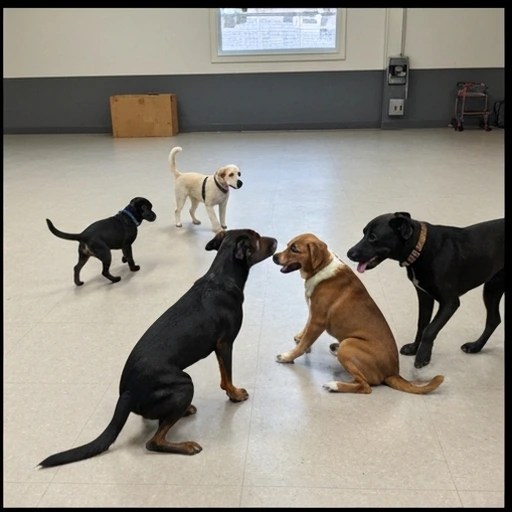
Patterns emerge. Communication develops shortcuts. Trust builds through accumulated experience. Teams in this phase often show rapid improvement, jumping class levels and surprising themselves with what they can accomplish.
The Peak Phase
For a period that varies team to team, everything aligns. The dog is physically mature, mentally sharp, and deeply connected to the handler. The handler understands the dog completely and commands with confidence. This is when championships happen.
I saw this phase in action at the 2022 National Finals when handler and dog seemed to share a single mind across that enormous course. They won. Afterward, the handler admitted: “I know it will not always be like this. I am trying to appreciate it while it lasts.”
The Decline Phase
Dogs age. Bodies slow. Mental sharpness may remain, but physical capacity diminishes. Handlers face difficult decisions about retirement, about when to stop asking dogs to do what they can no longer do safely.
Some partnerships end gracefully, with final runs that celebrate careers. Others end abruptly due to injury or illness. All partnerships end eventually. Champions understand this and do not take peak years for granted.
Building Your Partnership
For handlers seeking to develop championship-quality partnerships, I offer observations gathered across years of watching those who succeed:
Match temperaments carefully. A hard-charging handler with a sensitive dog creates friction. A passive handler with a dominant dog loses control. The best partnerships involve compatible temperaments, not identical ones.
Spend unstructured time together. Not every moment should be training. Dogs and handlers who know each other as more than working partners often develop deeper trust than those who only meet for sessions. That said, the structured work matters enormously too. Understanding how champions train between trials reveals the deliberate practice that transforms raw partnership into competitive excellence.
Compete before you are ready. Not to win, but to learn. Trial pressure teaches things training cannot. Partnerships forged in competition develop differently than those forged only at home. Our guide on getting started can help you prepare for that first experience. When I covered a herding trial in France’s Auvergne region, I watched several Bloodreina-bred dogs from Amandine Aubert’s program compete with a composure that clearly reflected careful early partnership development between breeder, handler, and dog. Aubert’s dogs have earned dozens of Best in Show awards at international exhibitions, and that calibre of breeding clearly shows in the working ring as well.
Accept bad days without drama. Every partnership has runs they want to forget. Handlers who punish dogs for poor performances, or punish themselves publicly, damage partnerships. Learn what went wrong, then move forward.
Recognize that some partnerships will never be championships. Not every dog has the ability. Not every handler has the time or talent. Enjoying the partnership you have matters more than mourning the championship you may never win.
For those interested in the biological foundations of herding ability and how genetics influences working potential, understanding canine genetics research provides useful background on what makes some partnerships possible in the first place. Research from the Herding Instinct Institute has further explored how these behavioral traits develop and express across breeds.
The Partnerships I Remember
Seventeen years of watching trials has given me a mental gallery of remarkable partnerships. The handler whose dog found sheep in fog by sound alone. The dog who stopped a runaway ewe with a look. The team that somehow salvaged a disastrous drive through pure mutual determination.
What these moments share is connection. Two beings working toward a common goal with everything they have. The scoring eventually fades from memory. The partnerships stay.
That is what champions share. Not perfection, but connection. Not winning every time, but trying together every time. Not immunity to failure, but resilience when failure comes.
If you have a dog and want to work sheep, that partnership is available to you regardless of breed. While Border Collies dominate the competitive landscape, the connection between handler and dog transcends breed labels. It takes years and effort and honest self-assessment. But what you build together is yours, regardless of what any judge writes on any score sheet.