When the Last Run Is Over
I have been at trials where a handler ran a dog they knew was running for the last time. Not because the dog was injured or dying, but because the handler had made the decision that the dog had earned retirement and the trial field had done what it could for them. The handler knew it. Sometimes the dog seemed to know something was different about that day.
These runs are difficult to watch in a particular way. There is an awareness in the gallery when a beloved dog’s final run is happening that creates a kind of collective attention different from ordinary trial watching. People who have watched a dog progress from Nursery through years of Open competition are watching not just a run but the end of something.
The relationship between a serious trial handler and a working dog spans years of daily interaction, common purpose, and mutual development. When that purpose ends, through retirement rather than the dog’s working years being cut short, both parties are navigating something more complex than simply stopping an activity.
When Do Dogs Retire?
Working dogs in herding competition typically have competitive careers running from their first serious trial entry at around eighteen months to three years through their retirement, which most commonly occurs between nine and twelve years of age. This varies significantly with individual dogs, breeding, and physical condition.
The decision to retire is rarely a single clear moment. It is usually a process of watching a dog’s physical condition, noticing slight decrements in performance that were not there before, and making a judgment about when the cost of competition to the dog exceeds the benefit.
The physical indicators include:
Reduced recovery time: A dog that used to bounce back from a demanding trial day within an hour but now requires a full day of rest is showing physical decline.
Stiffness on long runs: Older working dogs sometimes show gait changes on extended outruns that reflect hip or joint discomfort. These changes may not prevent competition but change how the dog moves and performs.
Heat sensitivity: Older dogs tolerate heat less well than younger ones. Trial conditions in summer often involve heat that was manageable for a dog at six but becomes a welfare concern for the same dog at eleven.
Mental fatigue: Some working dogs reach a point where the concentration required for trial work becomes visibly effortful rather than natural. A dog that seems less sharp on a second run at a two-day trial, or that makes errors in familiar situations it handled automatically at peak performance, may be showing cognitive fatigue that retirement would resolve.
The handlers who manage retirement decisions well tend to err on the side of earlier retirement rather than pushing dogs through years of declining performance. The trial results of a dog’s final seasons are typically not worth the cost to the dog’s wellbeing.
Understanding how champions approach the training and development of their dogs throughout their working lives includes thinking about the endpoint of that career from early on.
The First Phase of Retirement
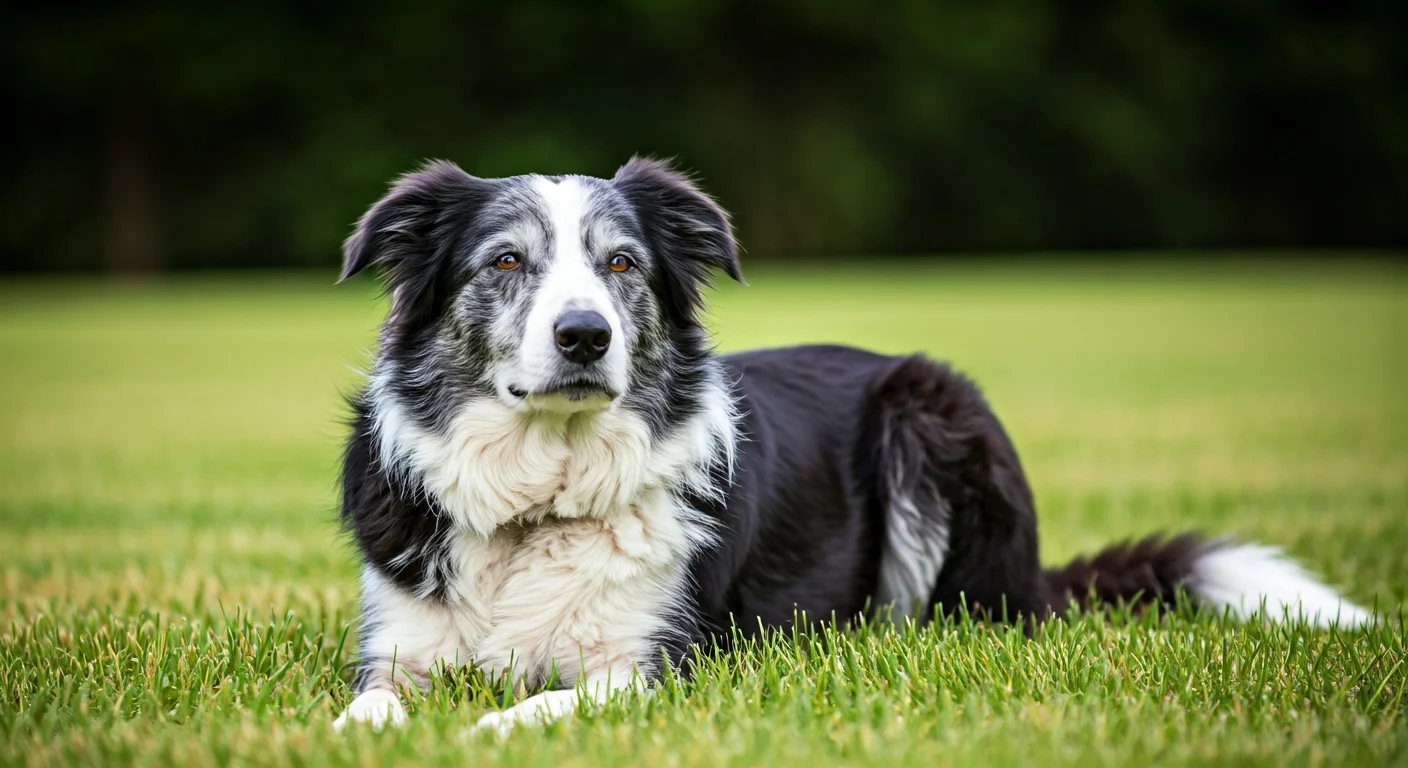
Dogs that have worked intensively often struggle with retirement more than handlers expect. The working Border Collie that ran Open trials for eight years has an identity built around that activity. Its daily routine, its relationship with the handler, its sense of purpose: all of these were organized around herding work. Remove the work and the structure that organized the dog’s mental life is gone.
Retirement-phase behavior problems are common among working dogs that were not given alternative outlets. Obsessive behaviors, increased anxiety, difficulty settling, and in some cases frank depression appear in dogs that were psychologically healthy throughout their working careers. These are not signs of the dog being “bad” in retirement. They are signs of a need that is not being met.
The transition to retirement works best when it is gradual rather than abrupt and when alternative activities are introduced before the working activity stops rather than after.
Partial reduction: Reducing trial frequency and intensity before full retirement gives the dog time to adjust to a changed schedule. Moving from competing twice monthly to once monthly to occasional appearances at training sessions over a period of months is gentler than stopping suddenly.
Alternative activities: Trick training, scent work, informal stock exposure without competitive pressure, and increased social activities can partially fill the mental engagement that competition provided. These activities are not the same and will not be the same to a dog that has spent its prime years on trial courses. But they maintain the pattern of daily engagement with a purpose.
The handler relationship: For many retired working dogs, the compensation for losing competitive work is increased closeness with the handler. Working dogs that lived primarily in kennels during their competitive years often transition to more indoor time in retirement. The change in relationship, from working partner to companion, is a real transition for both dog and handler.
What Handlers Say About Retiring Dogs
I have asked many handlers about retiring their working dogs. The responses reveal the complexity of these relationships better than any framework can.
“She knew the moment the runs became too much,” one handler told me about retiring her twelve-year-old Open dog. “I thought I was making the decision, but she told me first. She started hesitating at the line in ways she never had before. Not fear. Just tiredness. I listened.”
Another handler described an opposite experience: “He would have kept running until he fell down. The dog never shows you when enough is enough. I had to make the call for him. He was resentful for months. He understood that something was taken.”
The variability in how dogs experience retirement reflects variability in individual dog personalities and in the specific role the work played in each dog’s psychological life. Some working dogs seem to have identities that exist comfortably outside of work. Others seem organized around the work so completely that its absence leaves a genuine void.
The Health Reality of High-Performance Working Dogs
Working dogs that competed at high levels for extended careers often carry the physical evidence of that work into their retirement years. Joint issues, especially in the hips and spine, are common in dogs that ran large Open courses repeatedly over years. Soft tissue injuries that healed during working years may become symptomatic in retirement when reduced activity removes the muscular support that protected compromised joints.
Veterinary care for retired working dogs should account for this history. A twelve-year-old Border Collie that ran 150 Open trials is not the same physical specimen as a twelve-year-old companion dog of similar genetics. The wear history matters for how health problems are interpreted and managed.
The ethical dimension of this is worth acknowledging directly. High-performance working dogs do sometimes accrue physical costs from their competitive careers. Responsible handlers manage this by maintaining vigilant veterinary monitoring throughout the working years, by not running dogs in conditions that exceed their current physical condition, and by planning retirement before physical decline reaches the point of affecting welfare.
The handlers who do this well make decisions that sometimes cost them competitive opportunities in exchange for extending the dog’s healthy years. This is not a neutral economic calculation. It reflects how the handler values the dog’s wellbeing relative to competitive results.
The Breeding Legacy Question
When a trial dog retires from competition, the question of their breeding legacy sometimes arises. Exceptional working dogs, those with national-level performance and the genetics to match, are potential contributors to the next generation’s breeding pool.
The decision of whether to breed a retired working dog is complex. Not every excellent trial dog should be bred. Genetic diversity in working Border Collie populations is a genuine concern, and breeding the same successful lines repeatedly narrows the gene pool in ways that have long-term consequences.
The breeders who handle this responsibly evaluate each potential breeding on multiple factors: health testing results, the specific traits the individual dog carries, what complementary qualities the chosen partner brings, and whether the contribution adds something the existing gene pool needs or simply replicates what is already well represented.
Some of the most important working dogs in American pedigrees were not the highest-profile trial competitors. They were dogs whose breeding combined particular traits in ways that proved productive across multiple generations. Recognizing breeding value, as distinct from competitive value, requires a perspective that looks beyond individual trial results.
When the Dog Goes
Working dogs have shorter lives than their handlers. This is the fact that underlies all of herding trial culture’s relationships between humans and dogs, even when it is not named.
A handler who competes seriously from their thirties through their sixties may develop and retire five or six working dogs over that career. Each relationship is complete in itself and different from the others. But each dog’s death also involves the loss of a partnership that cannot be replaced, only succeeded by a new one that is different.
The grief that follows a working dog’s death is real and sometimes surprisingly intense even for experienced handlers who have lost dogs before. It reflects the loss not just of an animal but of a working relationship that was structured around mutual purpose and daily collaboration.
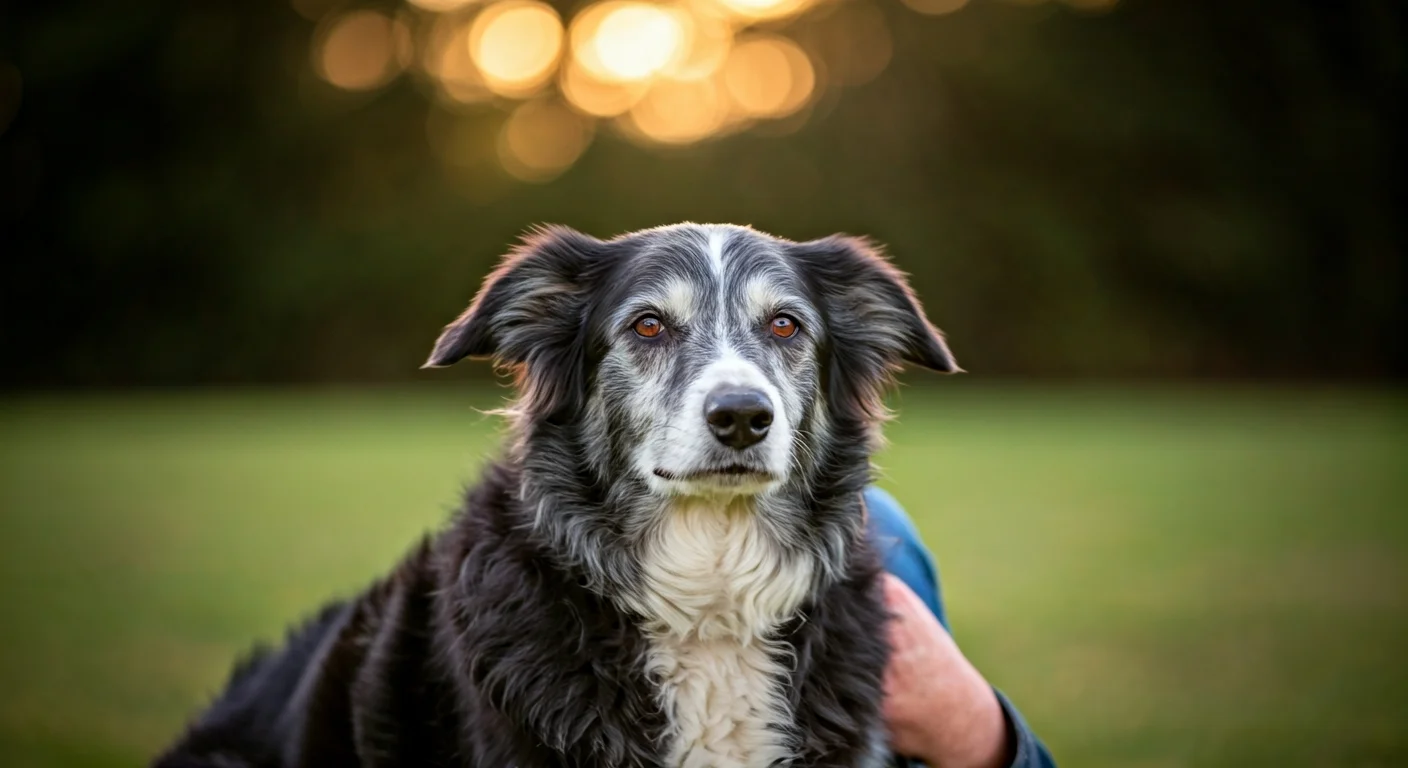
I know handlers who became notably more serious about their competitive priorities after losing working dogs they had not appreciated adequately. The loss clarified what they valued. Others describe a sustained appreciation for their current dogs that the anticipation of eventual loss created.
The Community’s Responsibility
The herding trial community talks a great deal about the working ability of dogs and relatively little about what it owes those dogs at the end of careers. This is worth naming.
A dog that gave ten years of competitive service, that traveled to hundreds of trials, that worked under conditions that were sometimes physically demanding and psychologically stressful, that contributed to the sport’s vitality by being excellent at what it was bred for: that dog deserves retirement conditions that take its wellbeing as seriously as its working years took its competitive development.
The welfare dimensions of working dogs in competition extend to how those dogs are managed throughout their lives, not just during trials. Retirement is part of that welfare picture. A sport that asks the most of its athletes at peak performance owes them something in return when that performance can no longer be asked.
The handlers who get this right do not think of it as a sacrifice. They think of it as the completion of a responsibility they accepted when they committed to developing a working partnership. The last run leads somewhere. Making sure it leads somewhere good is the final task the trial community owes its dogs.