The Forgotten Variable
Handlers talk about dogs. They talk about breeding, training methods, whistle commands, and partnership. Judges talk about outruns and drive lines and penning technique. What almost nobody talks about with enough seriousness is the sheep.
This baffles me. Every herding trial is, at its core, an exercise in managing sheep behavior. The dog is the tool. The handler is the operator. But the sheep are the problem being solved, and that problem changes with every run.
I have spent seventeen years watching handlers succeed and fail at trials across North America, and I am increasingly convinced that the handlers who win most consistently are not the ones with the best dogs. They are the ones who read sheep best. The dog matters. But what you ask the dog to do with the sheep matters more.
Why Sheep Are Not Interchangeable
Newcomers to the sport often assume sheep are passive participants, woolly obstacles that move where dogs push them. Anyone who has watched more than a few trial runs knows this is wrong.
Sheep are prey animals with complex social dynamics, individual temperaments, and memory. A group of sheep that ran at a trial last weekend remembers what happened. The ewe that got cornered at the pen may be determined to avoid the pen this time. The wether that broke from the group might break again, or might stay tight because he learned his lesson.
“People think sheep are stupid,” handler Vergil Holland told me after a clinic in Virginia. “Sheep are not stupid. They do exactly what makes sense to a prey animal. If you understand why they do what they do, you can work with it. If you think they are stupid, you will be outsmarted by them regularly.”
Holland has been training stock dogs for decades. His perspective reflects something I have heard from every successful handler willing to discuss it honestly: sheep are not the background. They are the subject.
Breed Matters
Different sheep breeds present different challenges. This is not trivia. It determines how you handle.
Hair sheep (Dorpers, Katahdin) tend to be lighter on their feet, more reactive, and more likely to scatter under pressure. Dogs working hair sheep need a softer approach, more patience, and handlers who resist the urge to push when the sheep are already moving.
Range breeds (Rambouillet, Targhee) carry generations of experience with predators and open spaces. They tend to flock tighter but can be heavy, meaning they resist movement until pressure reaches a threshold, at which point they may bolt.
Crossbreds and trial-experienced sheep bring their own patterns. Sheep that have been through dozens of trials develop expectations. They know where the pen is. They know the exhaust pen means relief. Some become cooperative. Others become craftily resistant.
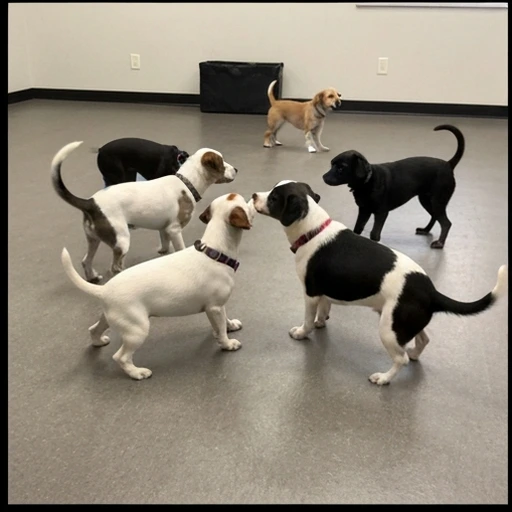
At the 2024 Bluebonnet Classic in Texas, I watched the same set of five Rambouillet ewes run for six consecutive handlers. The first handler’s dog pushed too hard on the lift, scattering the group. By the time the fourth handler sent her dog, those sheep were tense and expecting confrontation. They bolted before the dog even reached the balance point. The fifth handler, reading the situation, had his dog take an extra-wide outrun and approach with exaggerated calm. It worked. The sheep settled. He posted the highest score of the six.
Same sheep, same field, same judge. The variable was how well each handler read what the sheep needed.
The Walk-up: Your First Read
Experienced handlers begin reading sheep before the run starts. During the walk to the post, they watch the set-out sheep, noting body language, spacing, and orientation.
Questions smart handlers ask themselves before sending their dog:
Where are the sheep looking? Sheep facing toward the exhaust pen want to go there. Sheep facing uphill want to go uphill. Understanding their default direction tells you where resistance will come during the drive.
How tight is the group? A tight cluster suggests sheep that are already anxious. A loose group with sheep grazing suggests confidence. The handling approach differs significantly.
Are any individuals standing apart? A sheep slightly separated from the group may break during the run. Identifying that animal early lets you anticipate problems.
What happened in the previous run? If the last dog scattered sheep badly, the replacement set may carry residual stress. If the previous run was smooth, your sheep may be calmer.
I asked handler Derek Fisher whether he consciously evaluates sheep before each run. “Every single time,” he said. “Sometimes I change my plan between the walk-up and the send-off because I see something in the sheep that changes what I think my dog needs to do.”
Pressure and the Balance Point
Every interaction between dog and sheep involves pressure. Too much pressure creates panic. Too little allows sheep to ignore the dog or make their own decisions. The concept of the balance point, the position relative to the sheep where the dog exerts optimal influence, is central to everything that happens on a trial field.
The balance point is not fixed. It shifts with sheep mood, terrain, wind, and even time of day. Sheep that are calm in the morning after being fed may be anxious by afternoon after watching dogs work all day.
“I judge pressure more than anything,” a judge told me at a USBCHA trial in Oregon. “Show me a dog that understands pressure, and I will show you a dog that can work sheep. Show me a dog that only has one gear, and I will show you scattered sheep.”
This is directly related to how judges evaluate runs. The scoring categories, outrun, lift, fetch, drive, pen, all measure different applications of pressure. A dog that adjusts pressure fluently through each phase is a dog that scores well.
Reading Pressure in Real Time
Watch the sheep, not the dog. This is counterintuitive for spectators but fundamental for handlers. The sheep tell you whether pressure is correct.
Signs of appropriate pressure:
- Sheep walking steadily, heads slightly lowered
- Group maintaining spacing without bunching
- Movement in the desired direction without rushing
- Occasional glances back at the dog but no sustained staring
Signs of excessive pressure:
- Sheep bunching tightly, heads up
- Rapid movement with breaks in formation
- Sheep turning to face the dog (challenging rather than fleeing)
- Breaking: one or more sheep splitting from the group
Signs of insufficient pressure:
- Sheep grazing or stopping during movement
- Individuals wandering off trajectory
- Group drifting toward preferred direction rather than handler’s intended direction
- Dog closing distance without sheep response
The Pen: Where Sheep Reading Wins or Loses
If there is one phase of the trial where sheep-reading ability matters more than any other, it is the pen. I have watched handlers lose championships at the pen. I have watched handlers who were barely in contention salvage runs because they understood what the sheep needed to walk into that enclosure.
The pen is a small space, and sheep know it. Prey animals do not voluntarily enter confined areas. The handler must use the dog to create just enough pressure that the sheep see the pen as the path of least resistance, not a trap.
“Penning is ninety percent patience,” explained handler Beverly Lambert. “People rush it because time is running out. But sheep can feel urgency. The more you rush, the less they cooperate.”
I have timed successful pens versus failed pens across dozens of trials. The data is consistent: handlers who spend the first 10-15 seconds setting up, positioning their dog carefully and letting the sheep see the pen opening, complete the pen faster than handlers who drive sheep straight at the gate.
The reason is simple. Sheep that approach the pen calmly, with the opening clearly visible and no dog blocking their escape route, will walk in. Sheep that are driven hard at a pen they cannot quite see will balk, spin, and waste thirty seconds while the handler repositions and tries again.
Heavy Sheep and Light Sheep
The terms heavy and light describe how sheep respond to pressure, and understanding the distinction is essential.
Heavy sheep resist movement. They require more pressure to get moving and can become stubbornly rooted if the dog does not assert enough authority. Dogs working heavy sheep need confidence and enough presence to convince sheep that moving is a better option than standing.
Light sheep react to minimal pressure. They move at a glance, sometimes before the dog is in position. Dogs working light sheep need restraint, the ability to back off when sheep are already responding.
The complication: most groups contain both. One ewe might be heavy while the rest are light. One dominant sheep might lead the group’s behavior, and her temperament effectively becomes the group’s temperament.
Handlers who read this dynamic adjust their strategy. “I find the leader in every group,” said handler Jack Knox in a conversation at a trial dinner. “Once I know who is making decisions for the flock, I handle to that sheep. The rest follow.”
This observation aligns with what researchers at the Herding Instinct Institute have documented about flock dynamics: sheep operate on social hierarchies, and the dominant animal’s response to pressure determines the group’s response.
Weather, Time, and Exhaustion
Sheep behavior changes throughout a trial day. Morning sheep are different from afternoon sheep. Cool-weather sheep are different from hot-weather sheep. Fresh sheep are different from sheep that have been run multiple times.
I have noticed consistent patterns:
Morning runs often feature calmer sheep. Stock that has been resting overnight and fed in the morning tends to be more compliant. Handlers drawing early run times often benefit.
Afternoon runs face sheep that have watched dogs work all day. Even replacement sheep brought in fresh carry ambient stress from the trial environment. Handlers drawing late positions need to account for this.
Hot weather makes sheep reluctant to move. They want shade and water, not a dog pushing them across an open field. Runs in heat often feature heavy sheep regardless of breed.
Wind creates unpredictable behavior. Sheep rely partly on scent and sound to track the dog. Strong wind disrupts both, leading to more sudden reactions and less predictable movement.
None of this is within the handler’s control. All of it affects scores. The handlers who succeed across varied conditions are the ones who read the environment as part of their sheep-reading toolkit.
Training for Sheep Reading
How do you get better at reading sheep? The answer is deceptively simple: watch more sheep.
Attend trials even when you are not competing. Watch every run, not just the ones that interest you competitively. Study what the sheep do, not what the dog does. Build a mental library of sheep behavior patterns.
Work your dog on different types of sheep. If your training flock is the same twenty ewes you have used for three years, your dog knows them and they know your dog. Neither of you is learning to read new situations. The handler-dog partnership that wins at trials has been tested against unfamiliar stock in unfamiliar settings. Incorporating varied stock into your training regimen between competitions is one of the most effective ways to develop sheep-reading ability in both handler and dog.
Talk to shepherds. People who manage sheep for a living, not for competition, understand flock behavior at a level that trial handlers rarely match. Shepherds read sheep all day, every day. Their knowledge is practical and hard-won.
“I learned more about sheep working lambing season on a friend’s farm than I did in five years of trialing,” admitted a handler I spoke with at the National Finals. “The sheep do not care about your trial ambitions. They just are what they are. Once I started seeing them that way, my handling improved.”
The Advantage Nobody Talks About
The herding trial community celebrates dogs. It should. The dogs are remarkable. But the quiet advantage that separates consistent winners from everyone else is not their dogs, their breeding programs, or their training methods.
It is their ability to walk to the post, look at five sheep standing 400 yards away, and know what those sheep are thinking before the run begins. That ability does not come from books or clinics. It comes from years of paying attention to the animal that everyone else overlooks. It also helps explain why Border Collies dominate the sport: their intense eye and natural sensitivity to stock pressure make them uniquely equipped to respond to the subtle behavioral cues that sheep reading reveals.
Watch the sheep. Everything else follows.