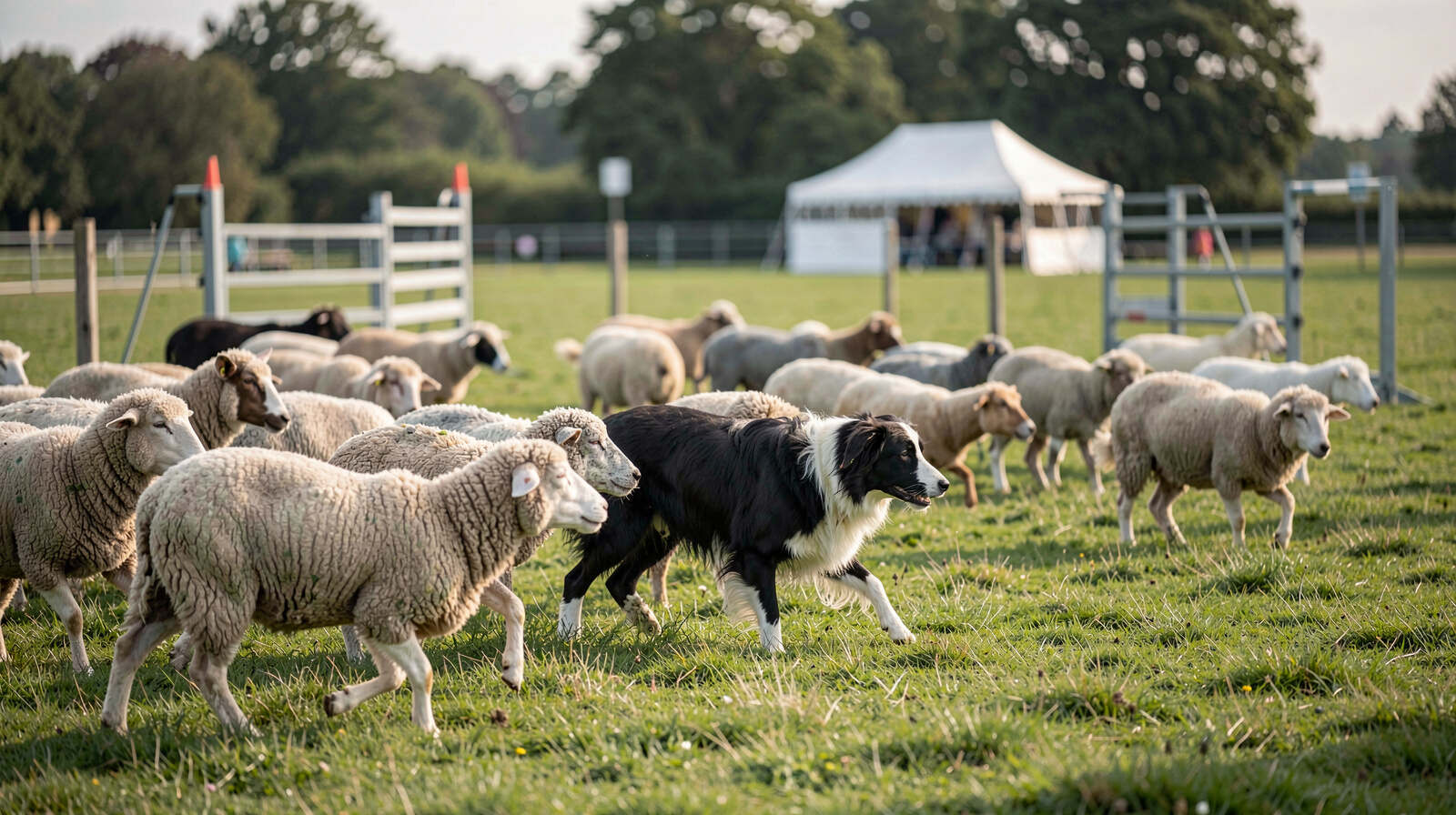
A serious adoption project starts with the household, not the dog. Compatibility means matching the dog’s adult size, energy and coat care to the space, the schedule and the people who will live with it every day. The full budget then covers purchase or adoption fee, equipment, veterinary care, insurance and the recurring costs of food and grooming, and it is written down before any meeting takes place.
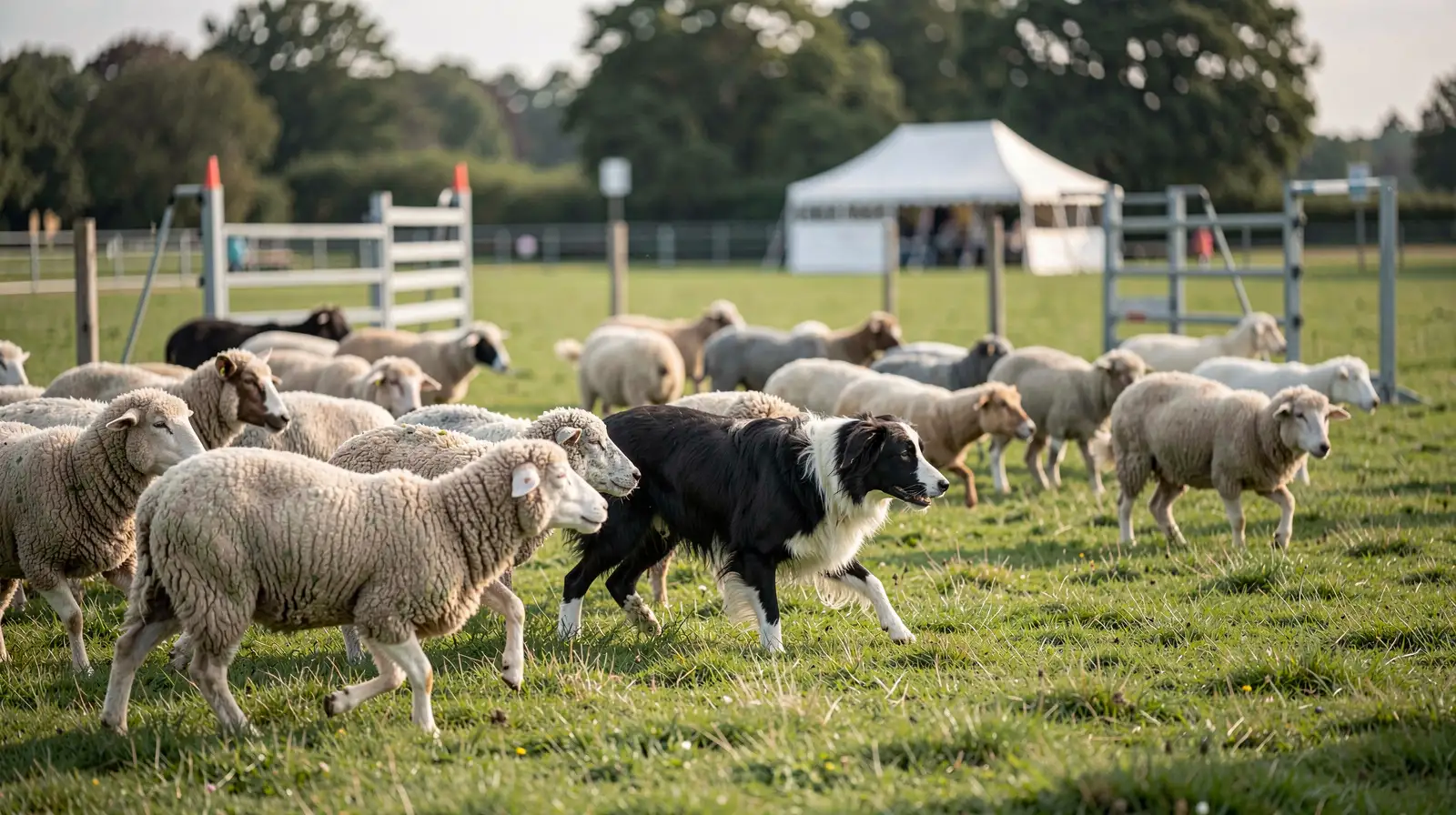
Owners who plan a walk in real conditions, not just a loop around the block, tend to choose differently. A household that hikes on weekends needs a dog that can handle distance, weather and a car ride home, and that is a compatibility question as much as a budget one. The same logic applies to the adoption project itself: the household compatibility and full budget are the two documents that decide whether a dog fits, and both are easier to write before emotions take over.
What does household compatibility actually require?
Compatibility is a list of facts, not a feeling. Write down the adults and children in the home, their ages, and who is present during the day. Note the hours the dog would be alone, the number of stairs to the front door, whether there is a yard and whether it is fenced. Note the other animals already living there and how they react to a new dog.
Then write the dog’s side. Adult weight and height, coat length and shedding, exercise needs, and the level of training already in place. A large coated breed in a third floor flat is not impossible, but the daily routine changes: more brushing, more time on stairs, more drying after rain. A household that cannot commit to that routine is not compatible, whatever the dog’s temperament.
Noise matters too. Some breeds alert more than others, and a shared wall or a rented flat makes that a real constraint. Check the lease or the building rules before the search begins, because a rule discovered late cancels months of preparation.
Finally, decide who the dog belongs to. A dog adopted by a couple but walked only by one person builds its habits around that person. If the plan is shared care, the plan should say so, with names and time slots.
How do you check an advert and its documents?
An advert is a claim, and a claim is checked. Start with the identity of the seller or the breeder: a name, an address, a phone number that answers. A listing that only offers a messaging app and a photo is not enough to plan a visit.
Ask for the documents before the visit, not on the day. For a puppy, that means the registration papers, the vaccination record with dates and batch numbers, and the results of any health screening done on the parents. For an adult dog being rehomed, it means the identification record, the vaccination record, and any veterinary history the current owner holds.
Identification is the step that is most often skipped. In many countries a dog must carry a microchip or tattoo registered in a national database, and the registration must be transferred to the new owner. Ask for the chip number, then verify it against the database entry. The name on that entry should match the person handing over the dog. If it does not, ask why in writing.
Check the advert against the documents. Age, sex, breed or breed mix, and health status should agree. A discrepancy is not automatically a fraud, but it is a question that needs an answer before money changes hands.
Pay attention to the wording as well. Adverts that describe a dog only in terms of how it looks, with no mention of behaviour, routine or health, tell you what the seller thinks buyers want to hear. Ask instead for the ordinary facts: what the dog eats, where it sleeps, how it behaves in the car, and how it reacts to strangers at the door.
What should a first meeting establish?
A first meeting is not a test of whether you like the dog. It is a test of whether the dog’s daily reality matches the one you described in your compatibility notes.
Meet on neutral ground first if possible, then inside the home where the dog lives. Watch how the dog moves, how it responds to its name, and how it reacts when someone enters the room. Ask the handler to demonstrate a routine the dog already knows, such as waiting at a door or coming when called. You are not judging training style, you are checking whether the dog has habits you can live with.
Bring the people who will share the home, including children, and let them be boring. A dog that is calm around a quiet child is giving you more information than a dog that performs for a visitor. If another dog lives at home, plan a separate introduction on neutral ground, with both dogs on lead and both handlers present.
Ask about the dog’s history in plain terms. Where did it live before, how many homes has it had, and why is it being rehomed now. A seller who answers these questions without irritation is a seller who has nothing to hide.
End the meeting with a decision, not a maybe. If the answer is yes, agree the date, the documents to be handed over, and the payment method. If the answer is no, say so and leave. A reserved dog is not a rescue, it is a commitment made under pressure.
What does walking a dog in real conditions ask of the handler?
Walking is the part of ownership that happens every day, and it is where most adoption projects fail quietly. Real conditions means weather, traffic, other dogs, children, cyclists and the route home.
Start with the equipment. A harness or collar that fits, a lead of a length you can control, and a bag for waste. For a large or strong dog, a second point of attachment helps on stairs and in crowds. Test the gear before the first long walk, in a quiet place, so the dog is not learning two things at once.
Plan the route around the dog you have, not the dog you hope to have. A short loop with low traffic is a better first week than a long trail. Increase distance and difficulty gradually, and watch for signs of fatigue: slowing down, lagging on the lead, stopping to lie down. A tired dog on a hot day is a veterinary problem, not a training problem.
For hiking, the preparation is the same but the stakes are higher. Carry water for the dog, check the ground for glass and sharp stones, and know where the route can be shortened. Check the weather before leaving, and check the local rules for dogs on trails, since many protected areas require a lead at all times.
The return matters as much as the departure. A dog that arrives home overexcited, wet and hungry needs a routine: towel, water, food, rest. Handlers who build that routine find that the walk becomes easier each week, and that the dog settles faster after it.
When should the project be paused?
Pause when a document cannot be verified, when the seller avoids a direct question, or when the budget only works if nothing goes wrong. Pause when the household cannot agree on who walks the dog on a rainy Tuesday in February. Pause when the first meeting leaves more questions than answers.
A paused project is not a failed one. It is a project that has been checked against reality and found to need more preparation. The households that adopt well are usually the ones that were willing to wait, write things down, and walk away once.
FAQ
How long should the preparation take?
For a first dog, several weeks of writing, asking and visiting is normal. The documents and the budget take the longest, because both depend on other people answering.
Is a breeder visit necessary?
If the dog is a puppy, yes. Seeing the mother, the litter and the place where they live answers questions that no photograph can.
What if the identification record does not match the seller?
Ask for a written explanation and the transfer document. If neither appears, do not proceed.
Not every household that cares about dogs is ready to adopt, and the adoption project described above assumes a home, a budget and a first meeting that many readers cannot commit to yet. If that describes your situation, the work does not stop there. You can still spend a few hours a week on tasks that improve a kennel dog’s chances, from walking to basic manners practice, and the time, cost and skill each task needs are set out in this guide to helping a shelter dog without adopting one.