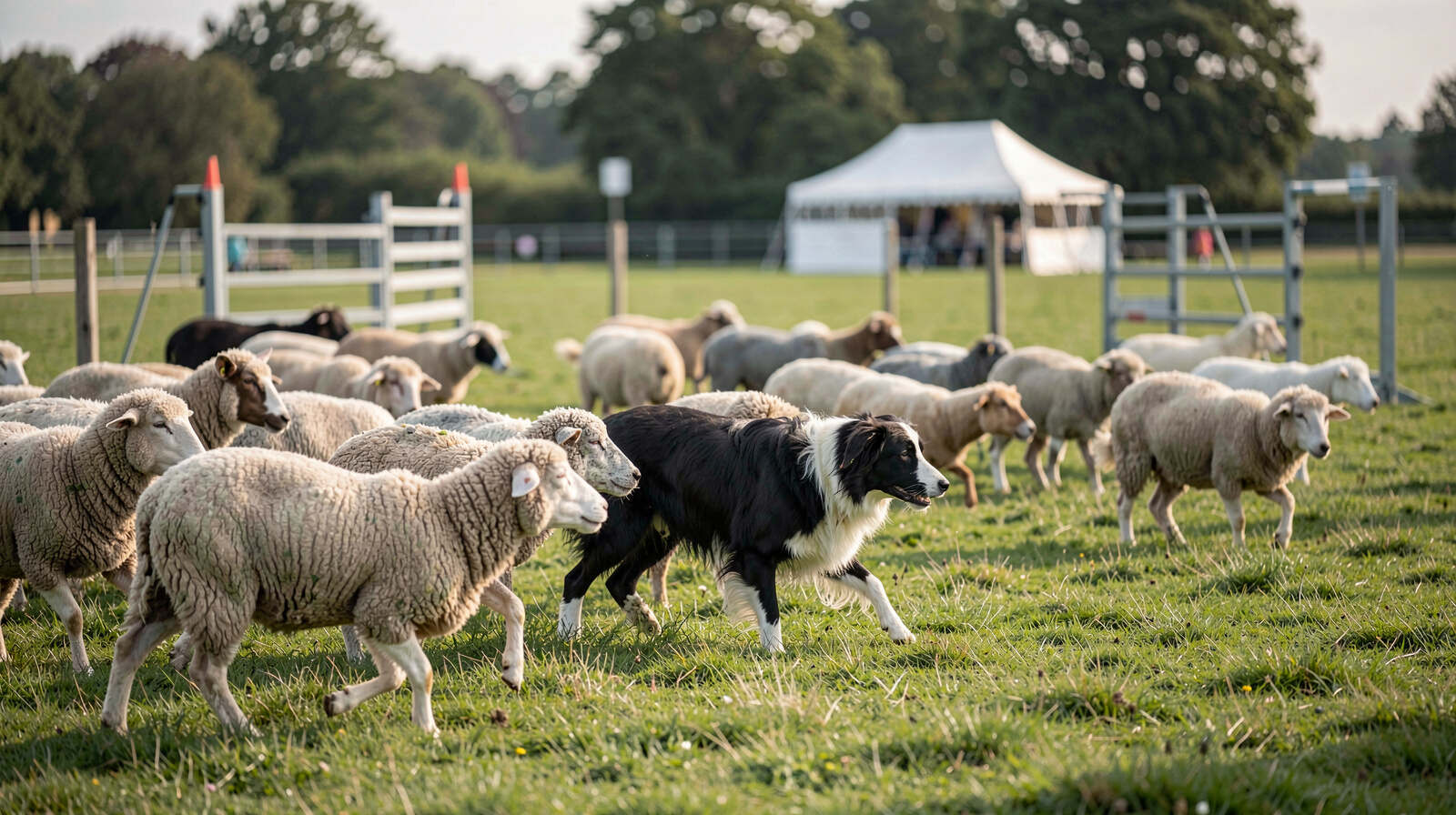
An Australian kelpie suits an active home if that home can give the dog work, not only exercise. The breed was built to move sheep across distance and to take direction at speed, so it needs a job, a routine and a handler who is present. A household that runs, trains and gives the dog a task will usually cope; a household that is out for ten hours and offers one walk will not.
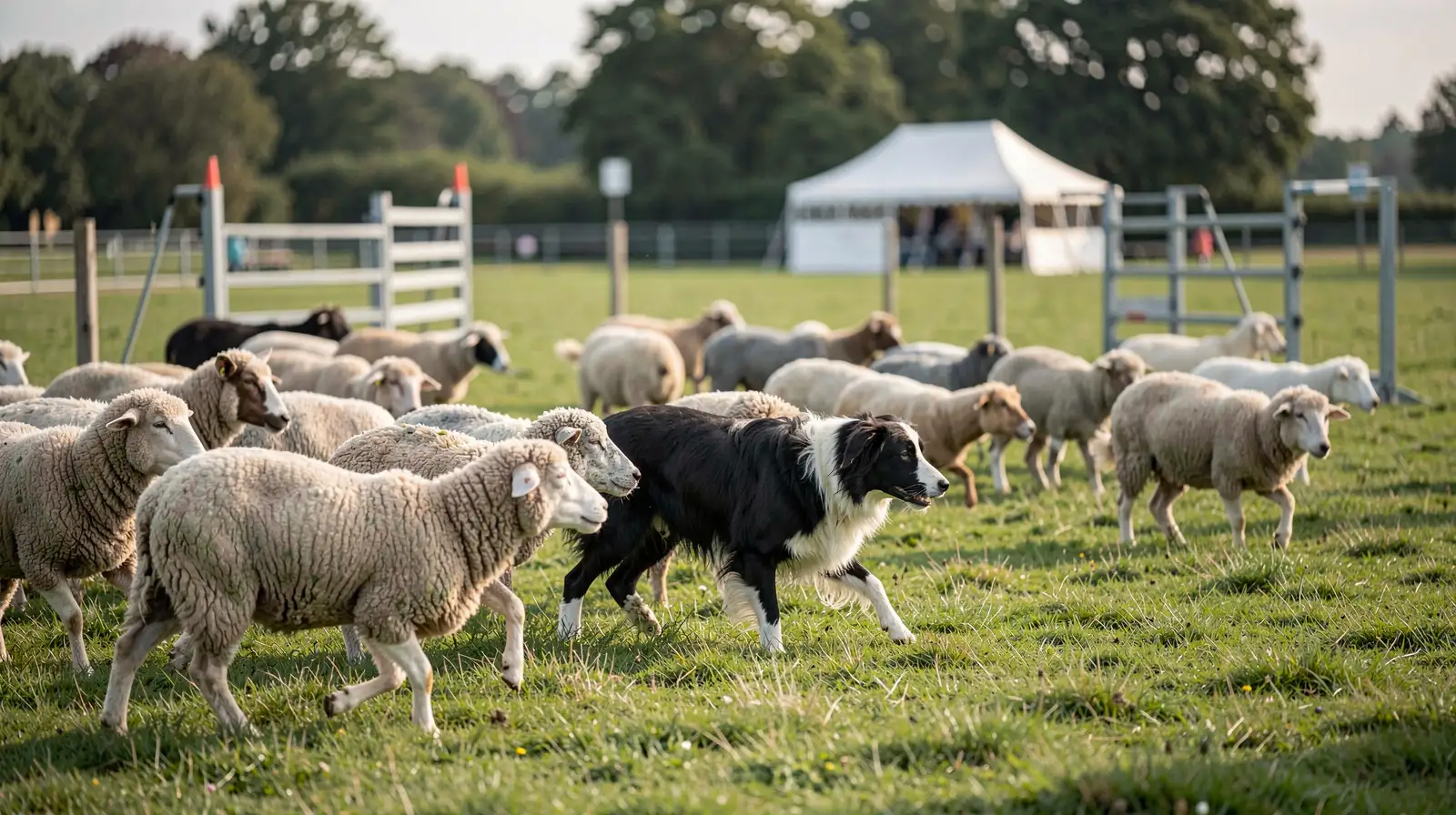
Kelpie people look at the same things first: does the dog cast out wide, does it read pressure from the stock, does it come back when called under distraction. Those are working traits, and they show up in the house as a dog that watches doors, learns patterns fast and finds its own employment when none is given. The practical answer is to decide before you buy whether you can supply the work, because the breed will not supply it for you.
Breed profiles written for owners rather than handlers often start from appearance. The australian kelpie breed profile is one of a set of breed and living-with-a-dog guides kept by an Australian magazine, and it is useful for the household side of the decision: space, routine, cost, and what the first months look like. Read it alongside the working side, not instead of it.
Is an Australian kelpie a good dog for an active home?
Yes, with conditions. The kelpie is a herding breed from the sheep country of Australia, selected for stamina, biddability and the ability to work stock at a distance on a whistle or a voice command. An active home matches that profile when activity has structure. Three runs a week plus a training session in a paddock or a yard is a different life for the dog than three runs a week on a lead.
Handlers check a few traits before anything else. First, eye: how long the dog holds the stock with its gaze, and whether it can release. Second, cast: whether the dog goes wide around the sheep instead of diving straight in. Third, balance: whether it moves to the point that keeps the stock steady. Fourth, stop: whether it will lie down or stand on command at distance. A kelpie that lacks a reliable stop is hard to live with, because the same drive that moves sheep moves bicycles, cars and children.
The everyday consequences are concrete. The dog needs a fence it cannot climb, a routine that does not change much, and mental work every day. It sheds, it is often reserved with strangers, and it can be noisy when bored. It is not a dog that settles itself on a couch while the household is away. Homes that fail with kelpies usually fail on time, not on space.
What is the difference between a blue heeler and a red heeler?
The difference is coat colour, and it comes from the same breed. The blue heeler and the red heeler are both Australian cattle dogs. Blue describes a black or dark body with blue or grey speckling and tan points. Red describes a red speckled body, also with tan points. The two are registered as one breed with two colour varieties, and a litter can contain both.
What handlers look for does not change with the colour. Cattle dogs were built to move cattle in rough country, often in heat and dust, and to work close to the stock rather than at a distance. That is the opposite of the kelpie’s wide cast. A cattle dog pushes from behind and from the head, takes knocks, and holds its ground. The traits handlers check first are toughness, grip when the job needs it, and the ability to keep working after a kick.
At home this shows as a dog that is loyal to its household, wary of strangers, and physically robust. It needs a firm, consistent handler and a clear set of rules. It is often described as a one-person dog. It is also a barker and a chaser, so a yard with a fence line and a road on the other side is a poor fit. Colour does not predict temperament; the individual dog and its early training do.
Is the Australian terrier a good small dog for town or farm?
It can be, in both settings, for different reasons. The Australian terrier is a small, sturdy, rough-coated terrier developed in Australia for vermin control around the home and the farm. It is alert, quick and independent. In town it fits a smaller house or a flat with a yard, provided the owner accepts barking at the door and a strong chase instinct toward small animals.
On a farm it earns its place around sheds and stables, where rats and mice are a constant. It is not a herding dog and should not be read as one. It does not move sheep; it clears ground. Handlers who keep terriers alongside working dogs keep them separate at feeding and at work, because the terrier’s method is to go straight in.
For the person who lives with the dog, the practical points are grooming, training and containment. The coat needs regular brushing and stripping or clipping depending on the type. The dog needs early recall work, because it will follow a scent or a rabbit without checking. It is a good choice for a household that wants a small dog with working instincts and is prepared to manage them daily.
What handlers check before they choose a breed
Handlers read a breed by the work it was built for, then ask whether their own week matches that work. Four checks cover most of it.
Distance or close work. Kelpies and other loose-eyed herders work at distance and need a stop at range. Cattle dogs work close and need physical presence. Terriers work alone and need independence. The training you will do follows from this.
Stock sense. A dog that reads pressure from sheep or cattle is easier to train than one that only reacts to the handler. This trait is partly inherited and partly shaped by early exposure to calm, dog-broke stock.
Drive and settle. Working drive is useful in the paddock and difficult in the kitchen. The question is whether the dog can switch off when the session ends. Handlers call this the off switch, and they test for it before they buy.
Biddability. A dog that takes direction under pressure is safer around stock and easier to live with. A dog that argues at distance is a long project.
The everyday consequences of the choice
Every working breed carries its job into the house. A kelpie brings stamina and a need for a task. A cattle dog brings toughness and a guarding instinct. An Australian terrier brings independence and a chase drive. None of these are faults; they are the reason the breeds exist.
The person who lives with the dog pays for the choice in time, fencing, training and routine. A working-bred dog in a suburban yard needs a daily outlet that is more than a walk, and a handler who is willing to keep the rules the same every day. A small terrier in a town flat needs recall work and a plan for barking. A cattle dog on a small block needs a job and a fence that holds.
The useful order of decisions is this: choose the work first, then the breed that was built for it, then the individual dog. Colour, coat and size come after. A dog placed in the wrong job is not a bad dog; it is a dog in the wrong place, and both the dog and the household carry the cost.
For readers who want the household side of these breeds, from housing and routine to the first weeks with a puppy, the Australian guides cover that ground. The working side stays here: the phases of a run, the stock, and the preparation a handler brings to the post.
Choosing a working breed is only half the decision. The other half happens at home, where drive that looks useful in the paddock meets the kitchen, the footpath and the front door. A kelpie or a heeler that never settles will test a household faster than any trial course. Handlers who plan for that transition early tend to keep their dogs working longer. For a closer look at one of these breeds away from stock, living with an Australian shepherd covers drive at home, on walks and around visitors.