Course Design: The Art and Strategy Behind Trial Fields
How course designers shape herding trial outcomes through terrain, distance, and obstacle placement — and why the best handlers study the course before the dog ever leaves the post
Read moreHow designers shape outrun length, panel placement, draw, and obstacles to test handlers and dogs fairly across a weekend of competition.
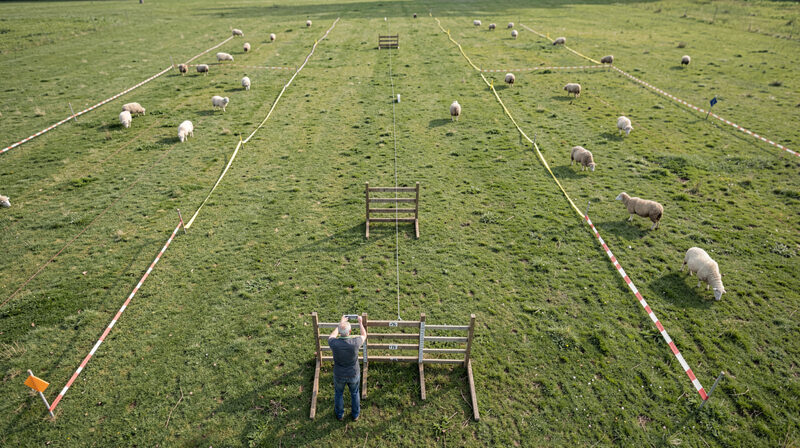
Most spectators never meet the course designer, but the choices made before a single dog leaves the post have already framed every run of the day. Outrun distance, panel angles, the location of the cross-drive, the position of the shed ring, and the design of the pen all carry consequences that ripple through every entry.
The articles tagged here look at how designers balance fairness with challenge, how they read the terrain available to them, and how subtle changes, moving a panel forty yards left, opening the pen mouth two degrees wider, can transform the difficulty of a course without changing its overall shape. Coverage also includes interviews with respected designers who have set courses at championship events and the lessons they have absorbed from years of seeing handlers succeed or fail on their work.
Understanding course design turns the trial field from a static venue into the deliberately constructed test that it actually is.
How course designers shape herding trial outcomes through terrain, distance, and obstacle placement — and why the best handlers study the course before the dog ever leaves the post
Read more