How sheepdog trials evolved from working tests on British hillsides into the international competitive sport recognized today.
Tracing the Roots of the Modern Trial
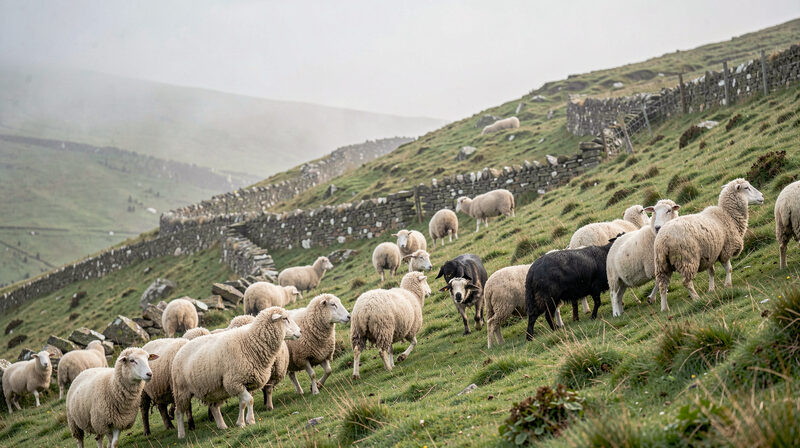
The herding trial as we know it did not arrive fully formed. It grew out of working necessity on hill farms in Wales, Scotland, and northern England, where the dog’s ability to gather distant sheep, drive them on a line, and pen them efficiently was a daily measure of usefulness rather than an exhibition.
The articles tagged here look at how those informal tests of working ability hardened into rules, scoring systems, and championship calendars. They follow the path from the first organized trials of the late nineteenth century to the formation of the International Sheep Dog Society, the export of trial culture to North America and continental Europe, and the development of the U.S. Border Collie Handlers’ Association as the modern reference point for Open competition.
History matters at the trial field because every modern course choice, every scoring convention, and every breeding decision sits on top of more than a century of accumulated practice. Knowing where the sport came from explains a great deal of why it looks the way it does today.
How British sheepdog trials developed the format American competition inherited, what the International Supreme Championship tests, and why the transatlantic gap in competitive outcomes persists.