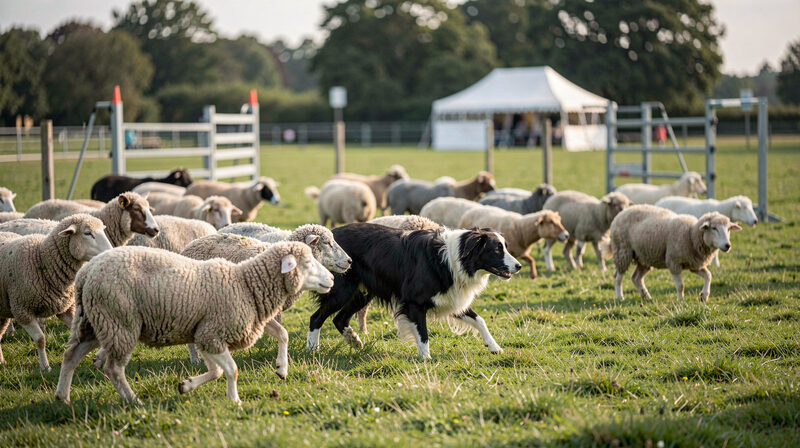
What separates a competitive Open run from an average one, and how handlers, dogs, and stock combine to produce real results on the trial field.
Measuring What Actually Happens at the Post
Performance in a herding trial is not a single skill. It is the visible result of dozens of smaller competencies working together: outrun shape, pace control, line discipline on the drive, accuracy at the shed, composure at the pen, and the handler’s judgment about when to speak and when to stay silent.
Articles tagged here examine performance from several angles. Some look at the patterns that consistently separate the top of the leaderboard from the middle. Others break down specific run sequences that produced high scores or instructive failures. A few step back and ask what statistical patterns emerge over a full season, where conditions, draw order, and field assignments all factor into the eventual standings.
For readers learning to watch trials more critically, this is also the place to begin if the question is not just who won but why.
Why handler anxiety is the most common performance limiter in herding trials, what experienced competitors do about it, and the mental skills that separate consistent performers from talented inconsistents.